
A global network to transform the relationship between nature and the economy.
We collaborate with institutions that contribute knowledge, on-the-ground experience, technological capacity, financing, legitimacy and international reach.
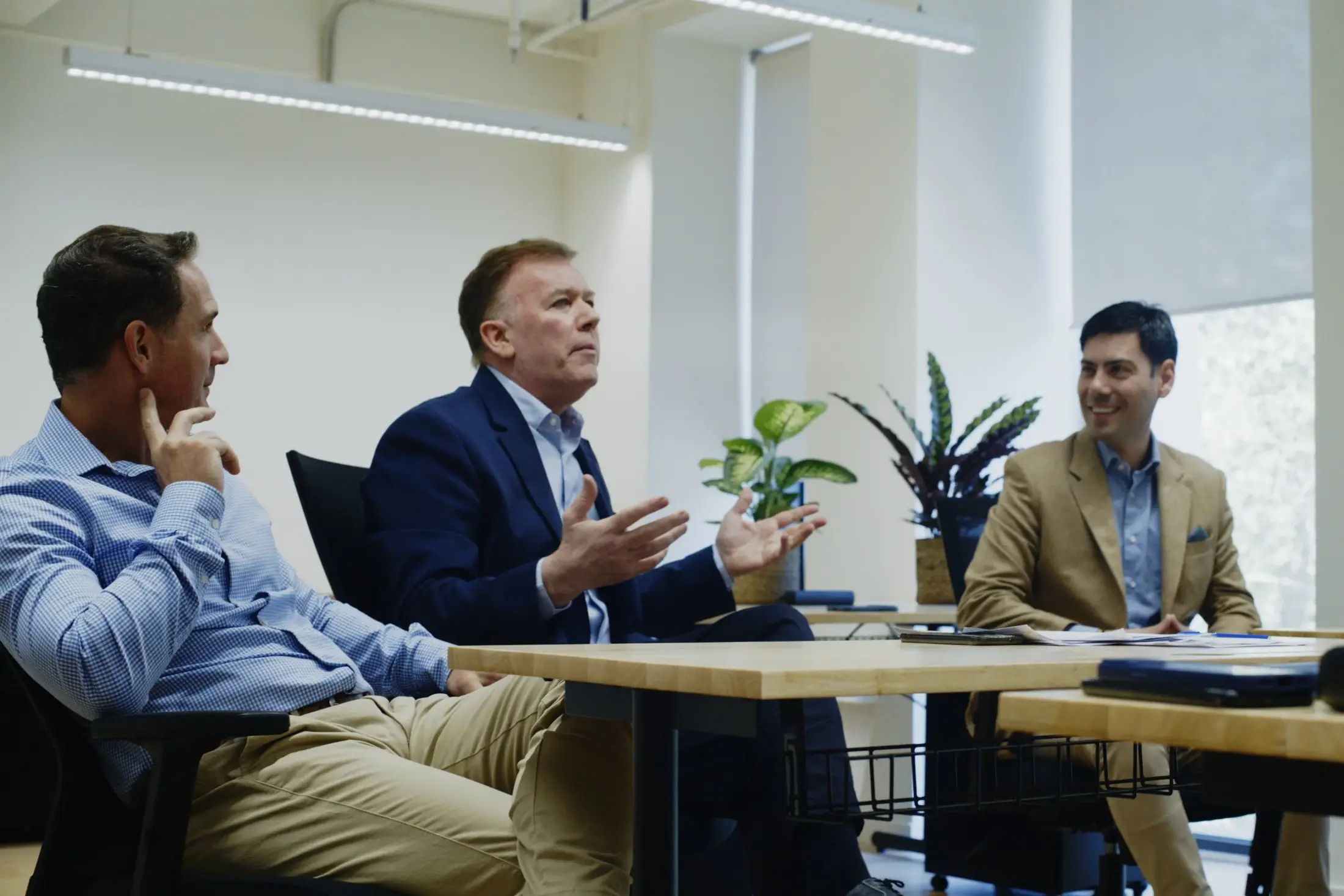
Working session with institutions, the private sector and regional bodies on nature credits.
Barcelona · April 2026
Why a network
Systemic challenges require collaborative ecosystems.
Nature conservation cannot depend on a single organization.
It requires science, governments, companies, finance, communities, universities, standards, technology and civil society organizations.
EMFF connects these capabilities to build more rigorous, scalable and lasting initiatives.
Types of collaboration
Seven ways to build capacidad.
-
01
Strategic Partnerships
Long-term relationships focused on jointly developing methodologies, projects or initiatives.
-
02
Scientific partners
Universities, research centers and specialists that contribute scientific knowledge.
-
03
Technology partners
Organizations that develop observation, analysis and monitoring tools.
-
04
Institutional partners
Governments, international bodies and networks that contribute political and coordination capacity.
-
05
Implementation partners
Organizations working directly on the ground.
-
06
Platforms and standards
Registries, certifiers and organizations involved in developing environmental markets.
-
07
Friends of EMFF
Institutions and professionals who support the mission and take part in the Foundation's activities.
Current ecosystem
Organizations we trabajamos.
Each partnership brings a specific capability: knowledge, on-the-ground experience, institutional legitimacy, technology, financing or implementation capacity.
-

-

-

-

-

-
-

-
-

-

-

-

-
-

-

-

-

-

-
-

-

-

-
-
-

-

-
Join the network
Does your organization work with nature, environmental markets or territories? Contact us.
Contact us→
Let's work together
Let's make nature visible in the decisions that shape our future.
We work with organizations that want to better understand their relationship with natural systems and contribute to the development of rigorous, fair and scalable environmental solutions.