
Partnering for Nature: Biodiversity Credits at COP16
Launch of Biodiversity Credits in South American Forests at COP16.
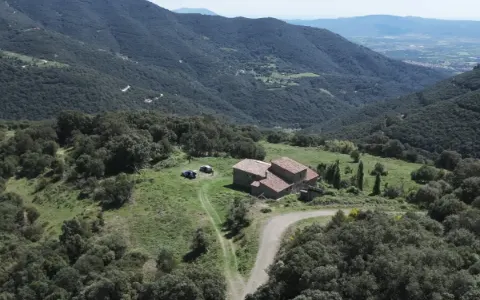
EMFF, in collaboration with the Bosques Nativos Argentinos and ACUDE Foundation, is preparing to launch biodiversity credit projects in two vast South American forests spanning over 11,000 hectares. These projects, set to be showcased at COP16, focus on conserving endangered species, restoring degraded habitats, and promoting sustainable practices.
The goal is to attract European companies interested in high-quality biodiversity credits, with a special focus on the Atlantic Forest and the Gran Chaco, two of Argentina’s most biodiverse and critical regions. These areas are home to numerous endangered species and represent vital ecosystems that urgently need protection. The projects not only aim to preserve existing biodiversity but also to identify new species.

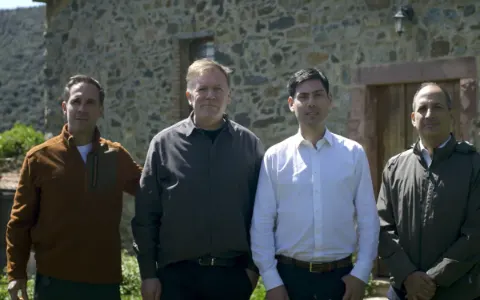
In this partnership, EMFF plays a crucial role in ensuring the implementation of rigorous standards and fostering international cooperation to achieve lasting positive impacts on both biodiversity and local communities. Our commitment to integrity and transparency guarantees that these projects not only meet environmental goals but also contribute to the sustainable economic development of the regions involved.
These projects are expected to serve as a model for how biodiversity credits can be effectively used for large-scale conservation, and we are excited to present these developments at COP16, to be held in Cali, Colombia.
More information at Carbon Pulse