The environmental quality of a project cannot be separated from how decisions are made, how benefits are distributed and how the rights of the people involved are protected.
Social and environmental safeguards
Building risk prevention and management into the design.
EMFF develops governance frameworks and tools that help identify risks, integrate social and environmental safeguards and organize the evidence needed for project validation and certification processes.
Equity
Equity must be part of the design.
Many environmental projects generate global benefits, yet they take place in territories managed and protected by local communities.
Without equity mechanisms, revenues can end up concentrated among intermediaries or actors far removed from the territory. EMFF promotes models that:
Recognize the role of communities
Set clear rules
Facilitate participation
Improve access to information
Promote fair prices
Promote fair participation in the opportunities generated
Participation
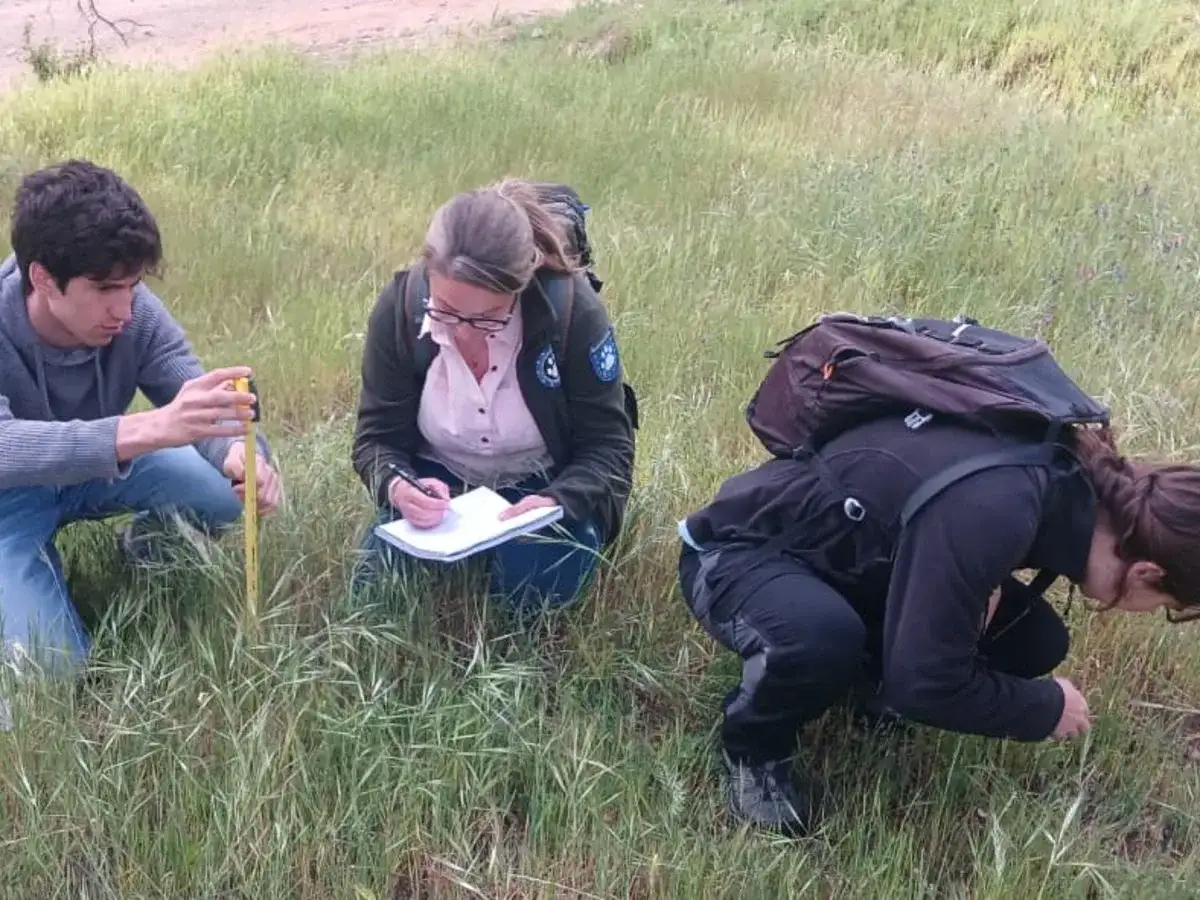
Local stakeholders connected to the project must be part of decision-making.
Participation should not be reduced to a formal consultation or limited to benefit sharing.
It must enable local stakeholders to understand projects, express their priorities, take part in governance and access grievance and response mechanisms.
Transparency
Understandable information for responsible decisions.
Transparency protects the credibility of environmental markets and enables accountability. To achieve this, information about projects must be accessible and understandable, including:
The methodology used
Those responsible for the project
Results achieved
Verifications carried out
Ownership of the credits
Transactions
Revenue distribution
Risks and limitations
Benefit sharing
Clear criteria from the outset.
Distribution mechanisms must be defined from the outset of the project and be based on clear, verifiable and agreed criteria.
EMFF promotes mechanisms to ensure that economic and non-economic benefits reach those who help conserve and manage ecosystems.
Integrity
Preventing environmental finance from becoming an empty promise.
Integrity requires consistency between what a project communicates and what it actually delivers. This means avoiding:
Overstated results
Double counting of results or credits
Lack of additionality
Lack of transparency
Displacement of impacts to other territories
Exclusion of communities and other affected stakeholders
Let's make nature visible in the decisions that shape our future.
We work with organizations that want to better understand their relationship with natural systems and contribute to the development of rigorous, fair and scalable environmental solutions.