

Nature Integrity Method™
EMFF, Cercarbono, and BI introduce the Nature Integrity Method™ for high-integrity biodiversity credits
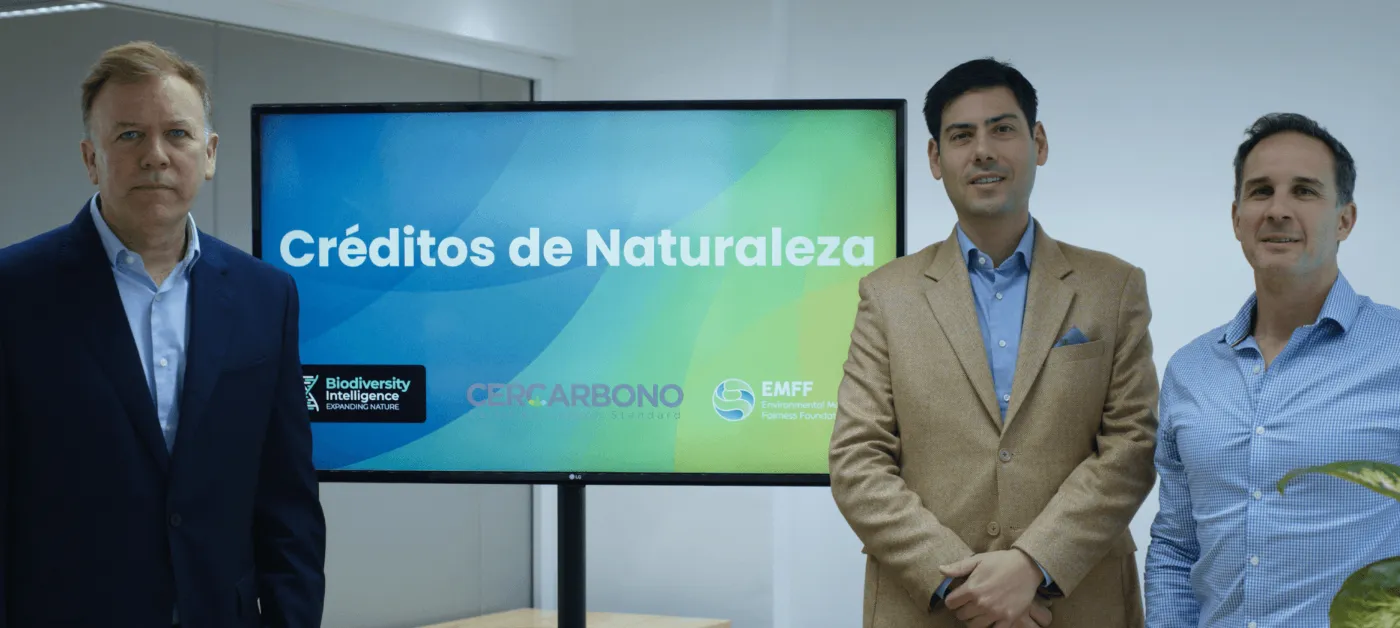
The Environmental Markets Fairness Foundation (EMFF), Cercarbono, and Biodiversity Intelligence (BI) presented Nature Integrity Method™, a methodology for biodiversity credits developed as part of a comprehensive proposal that combines scientific measurement, international certification, and pilot projects. The initiative aims to transform scientific advances into high-integrity biodiversity credits that are measurable, verifiable, and scalable.
In this context, and in the presence of stakeholders from the technical, financial, and institutional sectors, the organizations explained how this proposal advances the operationalization of biodiversity markets, addressing one of the sector’s main current challenges: translating ecological outcomes into reliable market instruments.
“We believe the priority is clear: to decarbonize the atmosphere and equally to protect #biodiversity, the operating system of nature and the foundation of all economic activity. Markets can guide action but they do not replace the system they rely on. That system is Nature.”
An architecture based on complementary capabilities
Nature Integrity Method™ is based on the integration of three key capabilities that, together, enable the management of the entire biodiversity credit generation cycle.
Biodiversity Intelligence leads methodological and scientific development, providing advanced tools to measure improvements in ecological integrity. These include satellite monitoring, environmental DNA (eDNA) analysis, and AI-assisted models.
“We design species surveys, canopy structural metrics, and remote sensing-based workflows to ensure robust and verifiable biodiversity results. We also test and integrate tools such as artificial intelligence, environmental DNA (eDNA), and satellite data to build reliable, science-based biodiversity credits, transforming real conservation results into nature credits that serve as a key bridge between science, finance, and local custodians.”
Cercarbono contributes its Biodiversity Certification Protocol along with the operational infrastructure of an international standard, which allows ecological results to be translated into certifiable units under robust criteria of additionality, monitoring, and verification.
“Cercarbono is a global standard operating in more than 20 countries, with over 200 registered projects, channeling large-scale capital toward solutions for climate, biodiversity, and the circular economy. We are building one of the leading global standards for environmental assets, connecting private capital with high-impact projects in Latin America, Africa, Southeast Asia, and Europe.”
Along the same lines, Cercarbono’s Executive Director, Alex Saer, added:
“Our approach applies robust scientific methodologies to ensure measurable ecological integrity, aligned with emerging nature credit frameworks. In this regard, we operationalize these methodologies through rigorous MRV processes, ecological integrity metrics, and full traceability via platforms such as EcoRegistry.”
Finally, EMFF plays a coordinating role, facilitating market access, providing technical support to project developers, and ensuring the implementation of socio-environmental safeguards. In this regard, Lombardi expanded:
“At EMFF, we engage as a bridge between market dynamics and Nature-based Solutions (#NbS), helping connect financial systems with the natural systems they ultimately depend on.”
One of the distinctive features of this methodology is the comparison between the project site and a reference site in optimal conservation conditions. This approach allows for the definition of restoration goals based on the actual ecological potential of each ecosystem, thereby overcoming the limitations of fragmented metrics.
In this way, the methodology moves toward a comprehensive measurement of ecological integrity, aligned with the needs of emerging biodiversity markets.
Implementation in Europe: From Theory to Practice
During the event, the first implementation cases in Europe were also presented, particularly in Spain, where the framework is already beginning to take shape in concrete projects.
Currently, the methodology is being applied in the Los Gamos Regeneration Project (Seville), the first European pilot project using this approach. This initiative combines regenerative livestock farming practices with ecosystem restoration efforts.
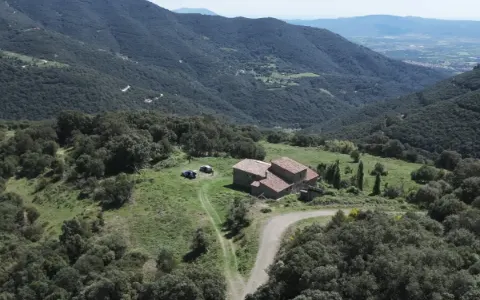
In parallel, a reference site has been established in Montseny (Catalonia), within the Biosphere Reserve and integrated into the Natura 2000 Network. This site serves as a key technical infrastructure for methodological calibration, the validation of ecological indicators, and the replicability of projects in Europe under conditions of maximum environmental integrity.
“We have completed an initial assessment to validate Montseny as a benchmark site for high-integrity biodiversity credits. And this is only possible through strong partnerships, a rigorous methodology, robust certification, and safeguards that involve all stakeholders. It is precisely this collaboration that will ensure the system is sound from the outset. We know that the will to conserve and restore exists—all of us here share it—but the means are often lacking. We believe this initiative can be a concrete tool to transform that intention into real impact. Because in the end, as we say in Catalan: ‘tots units fem força’.”
The presentation of this methodology represents a concrete step toward the consolidation of biodiversity markets with high standards of integrity. In the European context—marked by the European Union’s 2025 announcement regarding the development of Nature Credits—the initiative positions itself as a technical and methodological infrastructure ready to support the sector’s evolution, helping to ensure that its growth is grounded in criteria of credibility, traceability, and real ecological value.
Strategic alliance – Biodiversity credits (PDF, Spanish)About EMFF
Environmental Markets Fairness Foundation (EMFF) promotes innovation and fairness in environmental markets, with a strong focus on nature credits—recognizing biodiversity as the operating system of life. EMFF advances high-quality projects that prioritize safeguards, equity, and transparency, while supporting locally grounded capacity-building aligned with the EU Roadmap toward Nature Credits.
About Cercarbono
Cercarbono is an international certification standard that promotes carbon and biodiversity projects based on high environmental and social integrity criteria, with a presence in Latin America and a global reach.
About Biodiversity Intelligence
Biodiversity Intelligence is an organization specializing in the development of scientific and technological solutions to measure, monitor, and assess biodiversity, contributing to the design of robust metrics for emerging environmental markets.